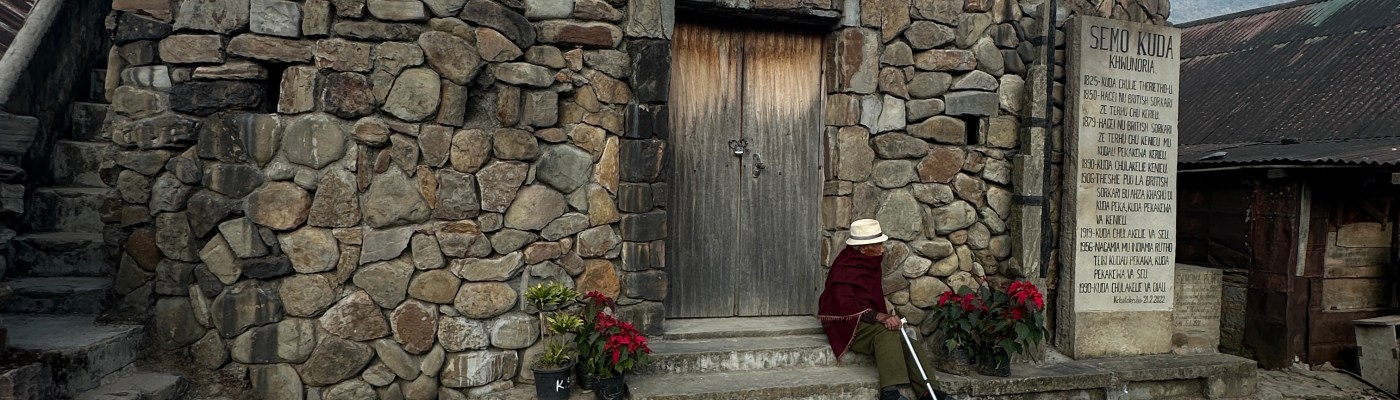
A place where tradition breathes, culture thrives, and community is the soul
December 2024
I happened to experience one of the most memorable and fascinating trips of my life so far—a journey into the Land of the Nagas: Nagaland, also known as the land of festivals.
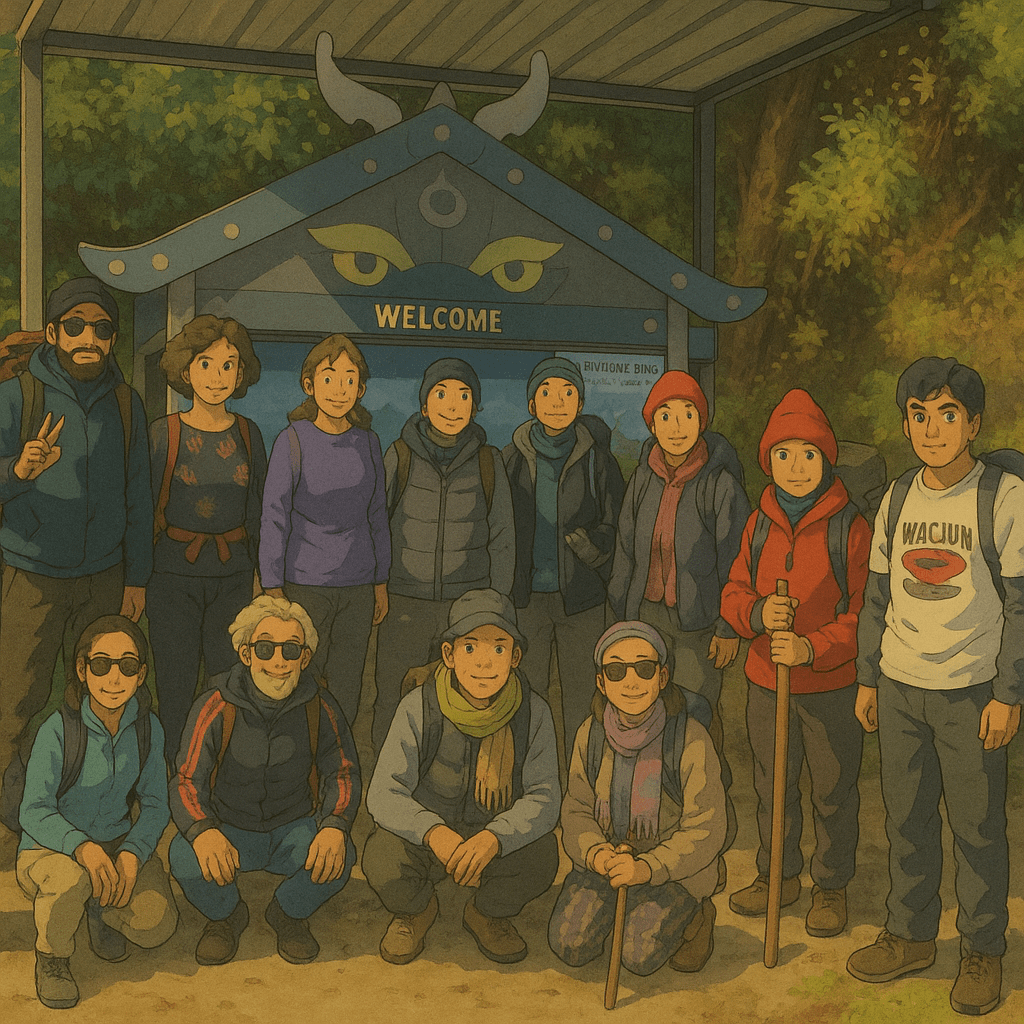
I joined a fixed departure group organized by Chalo Hoppo. We were 13 travelers from across India, ranging in age as old as folks in their late 20’s to as young as folks in late 60s, accompanied by our local guide, Vikho. Each person brought with them a unique talent and perspective, shaped by their life experiences. Very quickly, we found ourselves deep in conversation—sharing stories, interests, and a genuine curiosity about each other’s journeys.
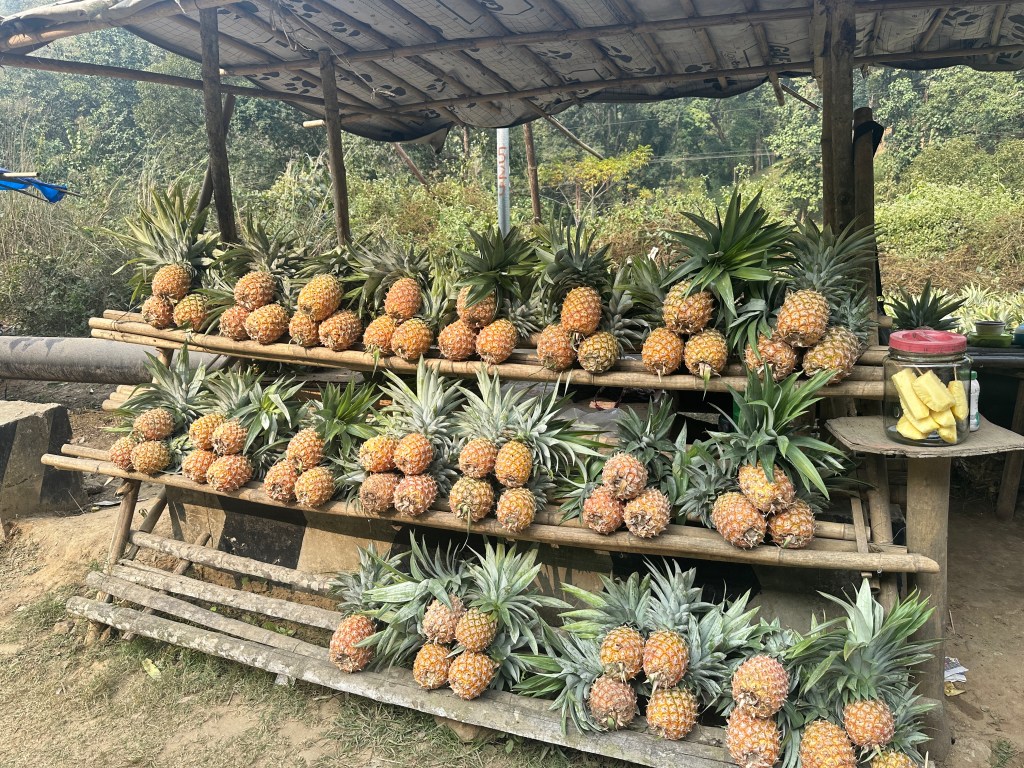
The adventure began with tasting the sweetest pineapples I’ve ever had—so unbelievably sweet, they almost felt unreal.
The trip was thoughtfully planned around the closing ceremony of the 25th Hornbill Festival—a vibrant celebration of the traditions and cultures of Nagaland’s 16 major tribes. It’s more than a cultural showcase; it’s a living, breathing expression of identity. Music, dance, local food and beer, handicrafts, shopping, new friendships—it had it all.
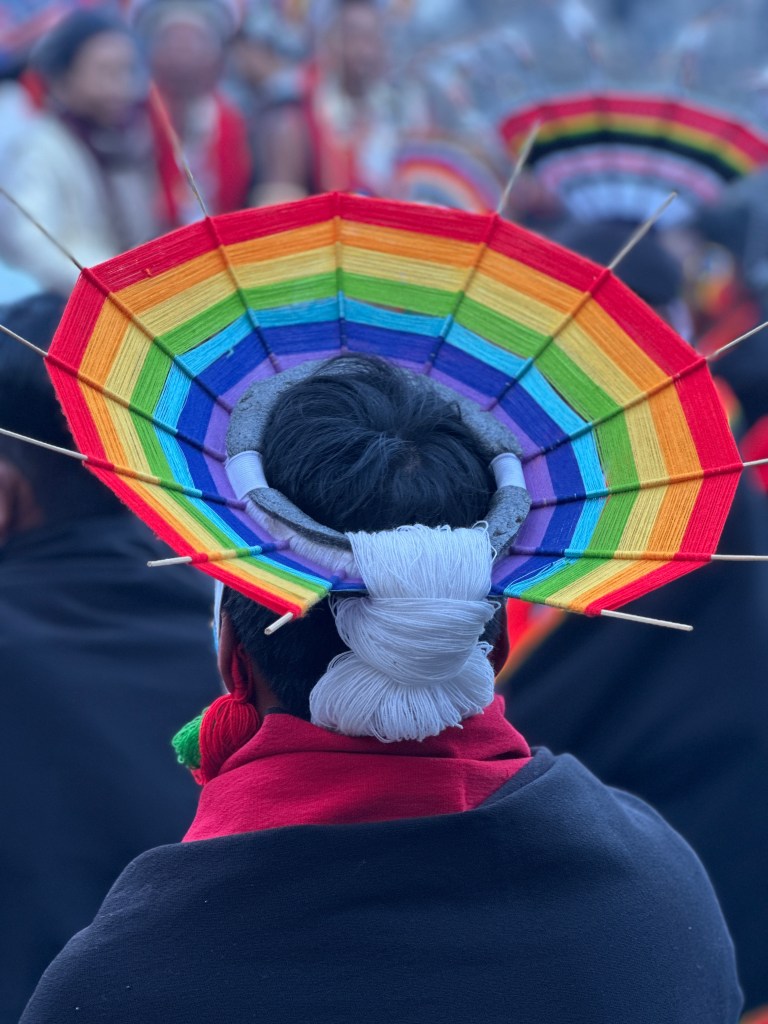
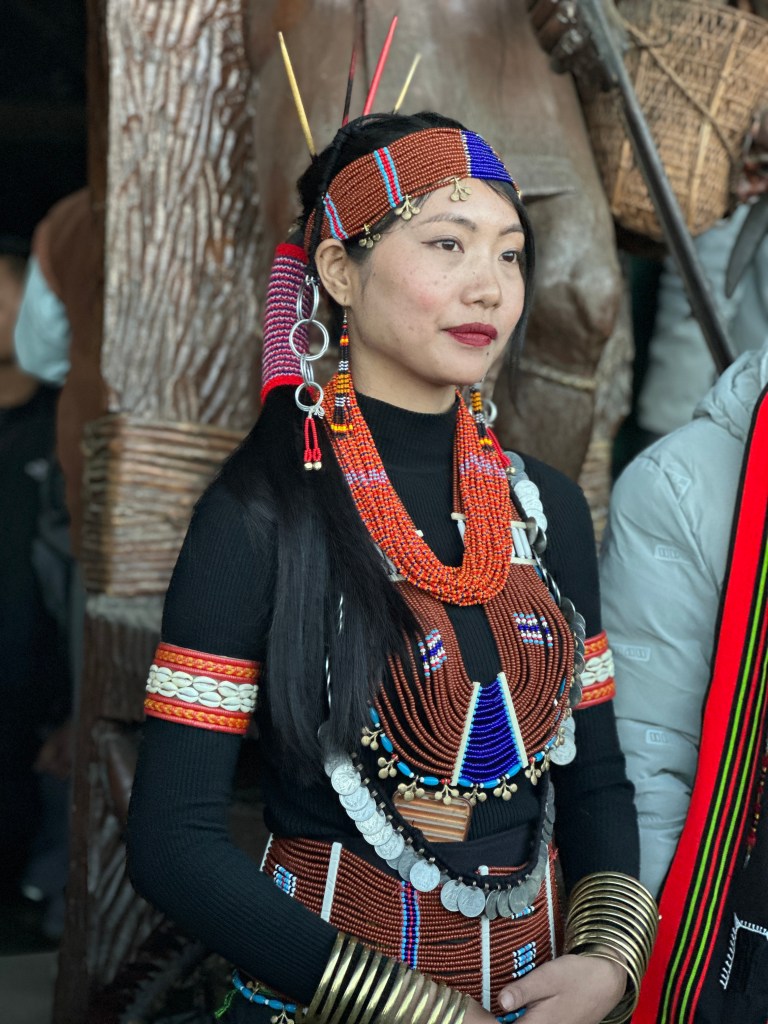
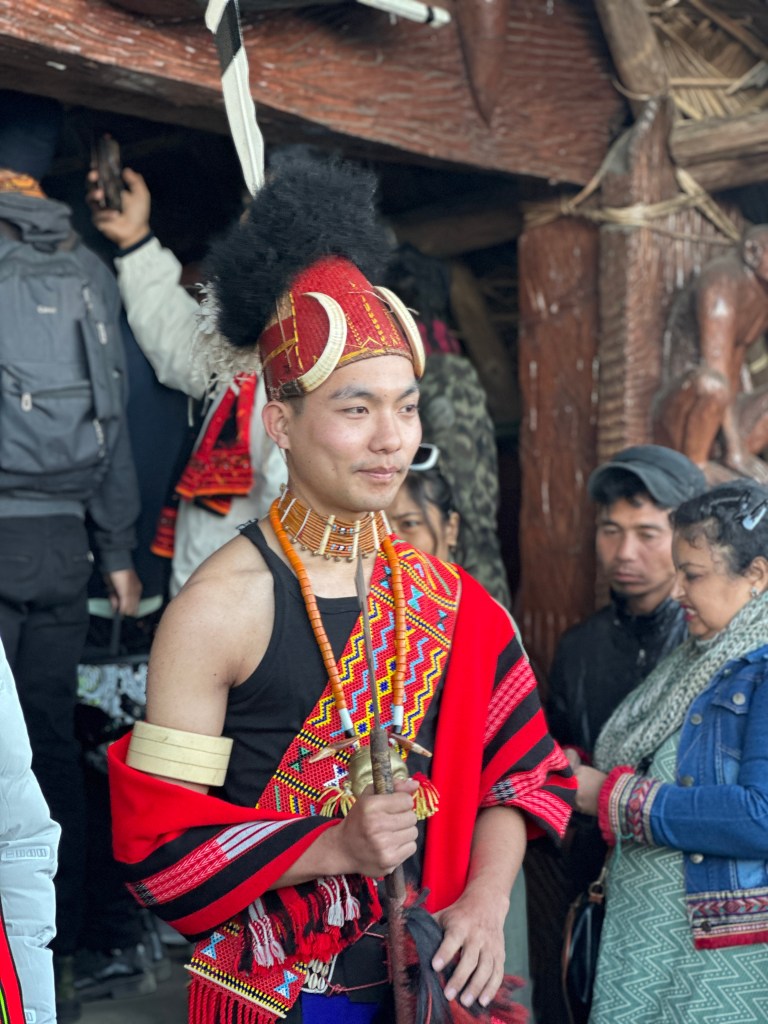
The sight of young Nagas wearing traditional shawls left a strong impression on me. Their aesthetic sense is remarkable. Young girls and boys were dressed stylishly, often incorporating traditional elements like shawls or jewelry. For the first time in my life, I was genuinely inspired by someone’s sense of fashion—and I say this as someone who normally doesn’t pay much attention to clothes!. I bet their sense of dressing was quite impressive and makes a lasting impression on anyone.
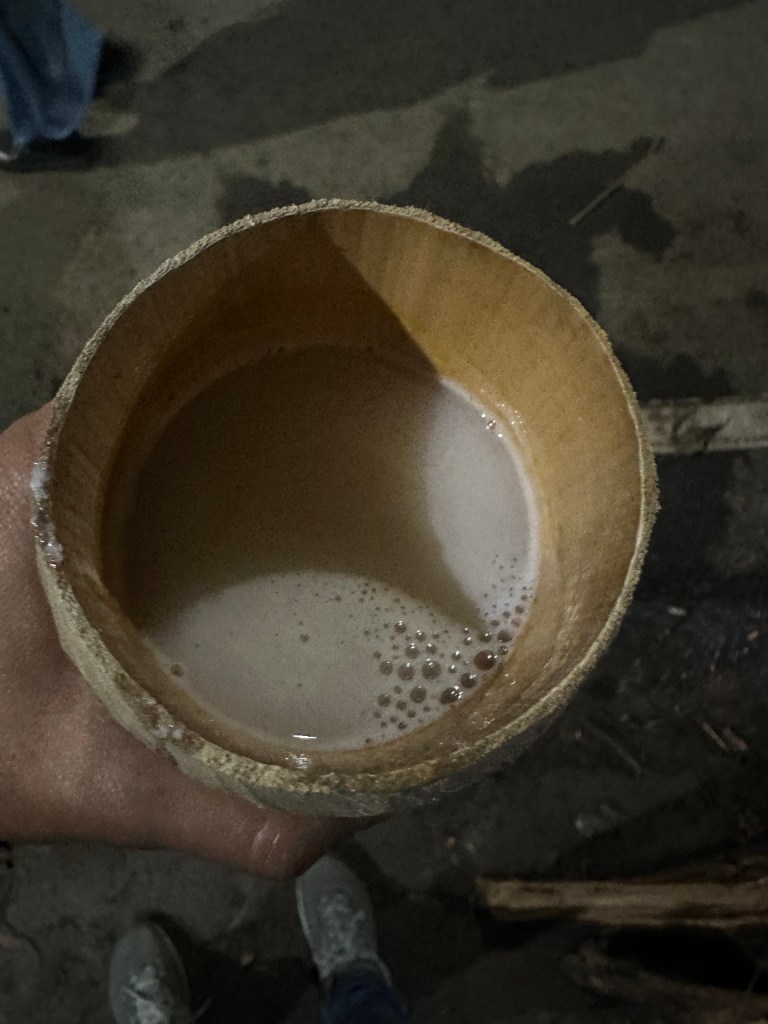
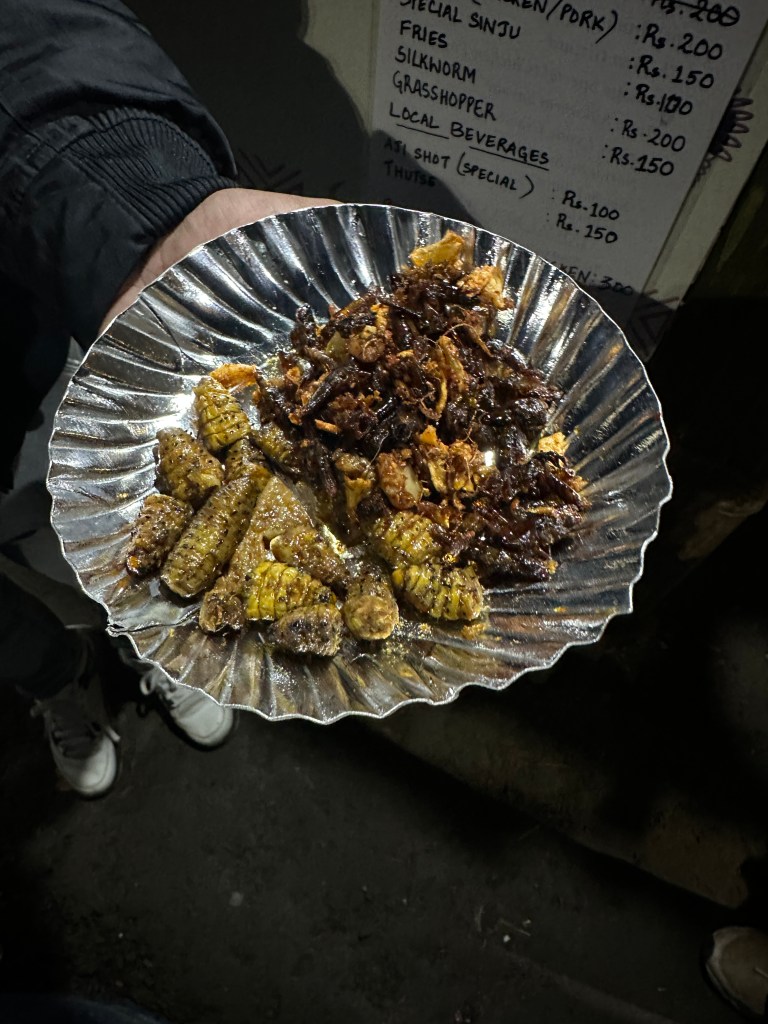
Thanks to Vikho, I also tried a few new things at the Hornbill Festival—silkworms, fried grasshoppers, and steamed pork with rice. To my surprise, I really enjoyed the grasshoppers. I swallowed them with ease! Silkworms were tougher—I couldn’t finish them, but I did chew more than half. We also tried local rice beer (which was quite strong!) and ended up taking a couple of shots with a group of girls. Fun, unexpected, and unforgettable.
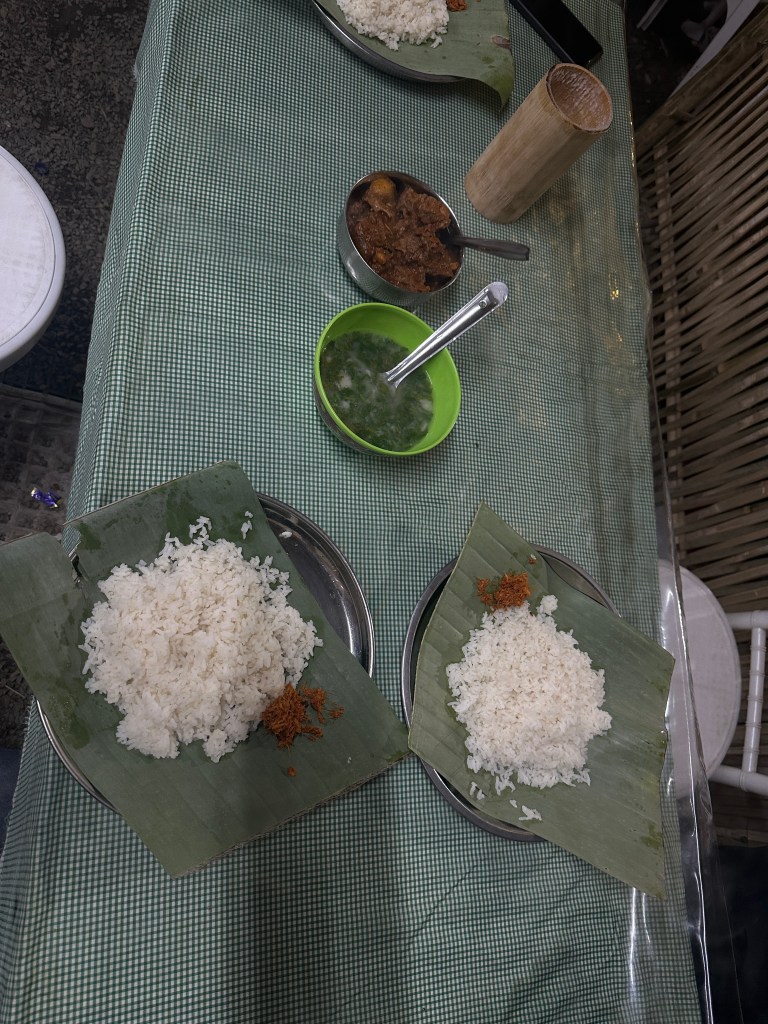
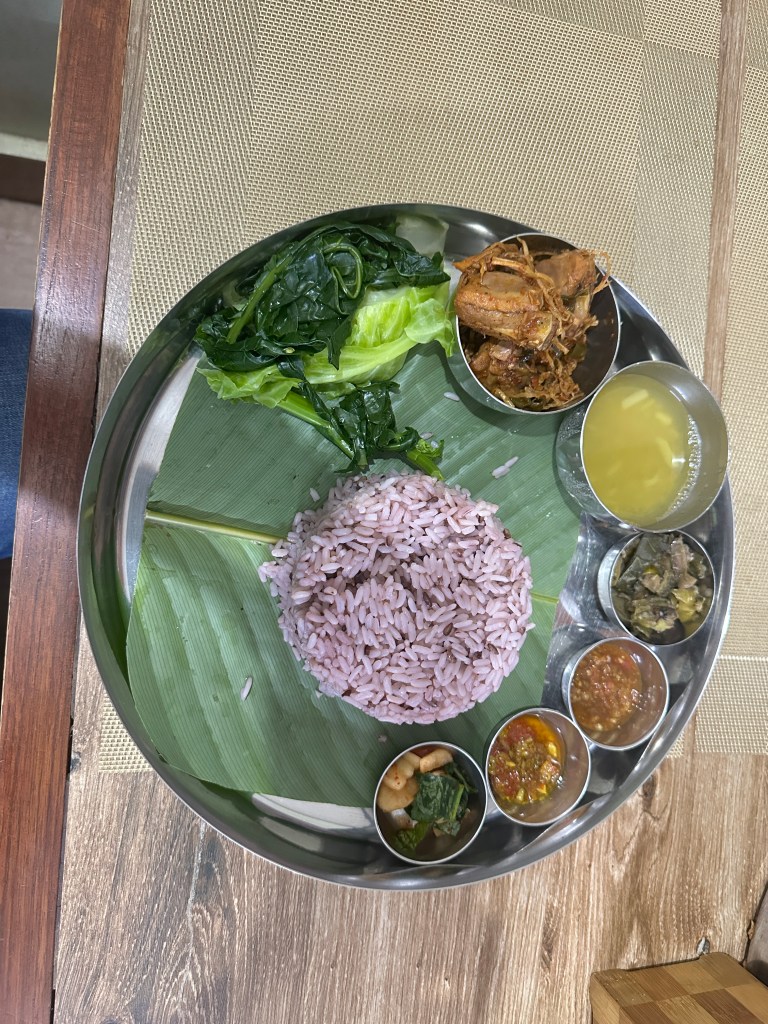
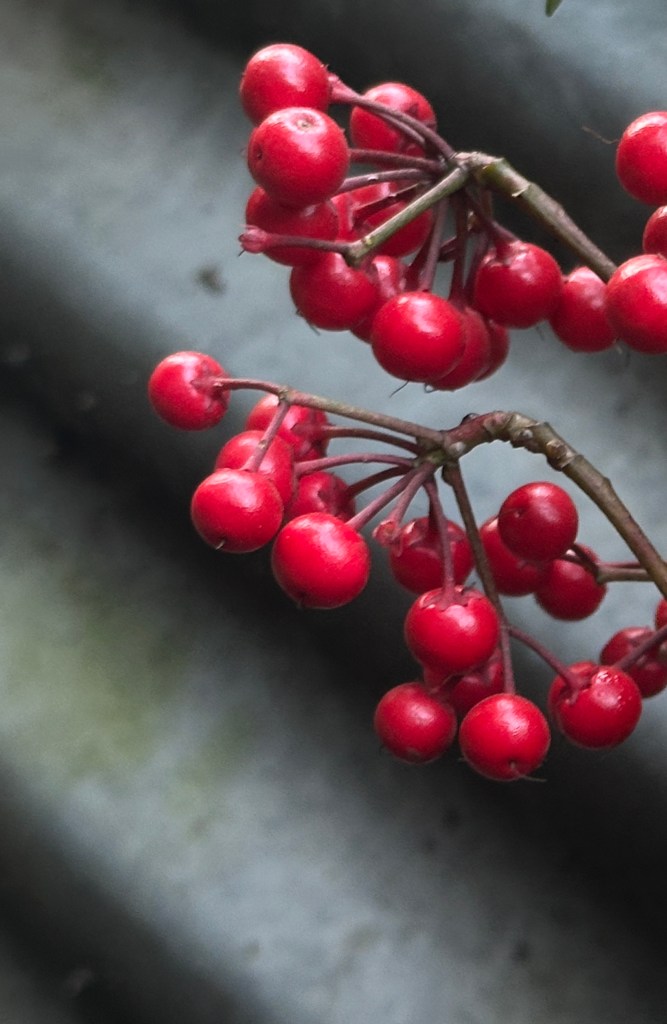
The traditional Nagamese dances were mesmerizing. Their energy was contagious—lifting the spirit of everyone around.
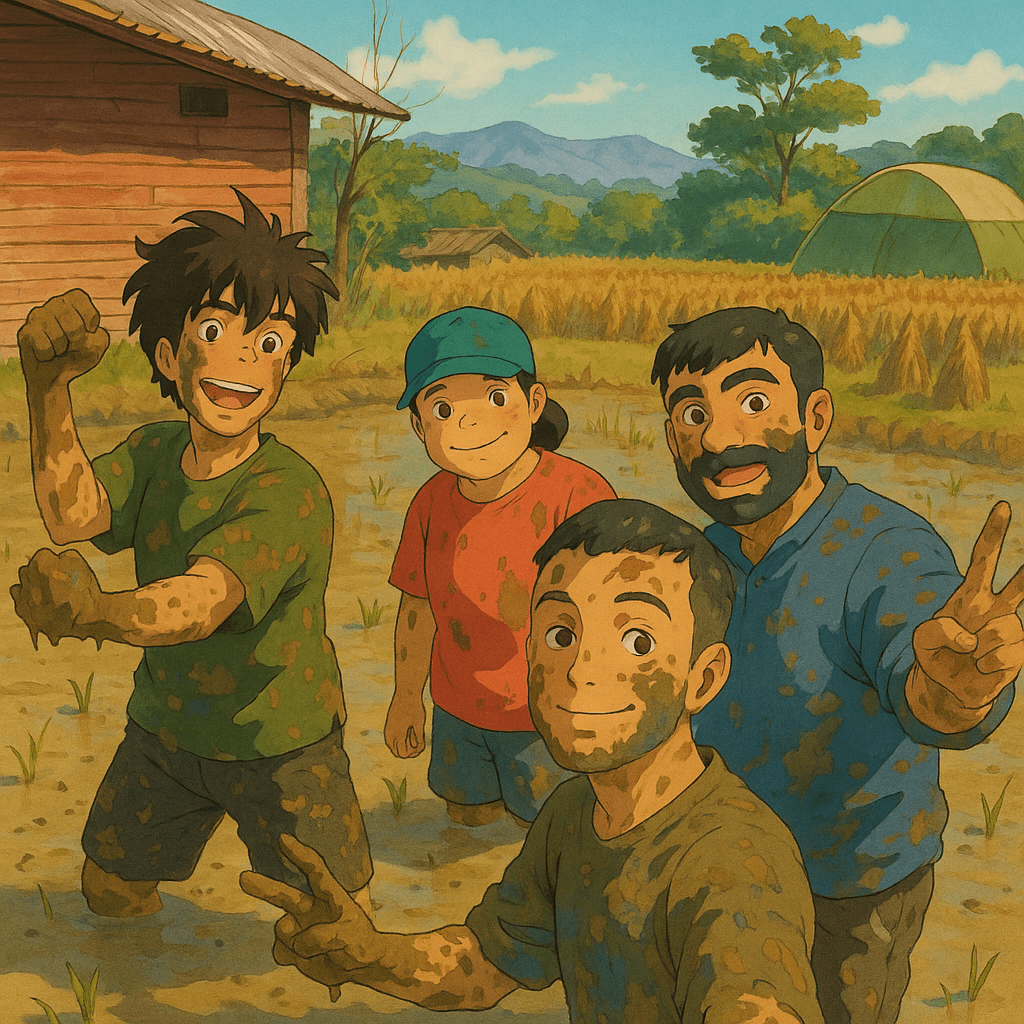
After the festival, we ventured into the interiors of Nagaland—visiting remote villages, staying in homestays, eating fresh organic food, and living some of the most carefree moments of our lives. One of my fondest memories was catching fish in paddy fields and playing in the mud. I felt so alive, so completely in the moment.
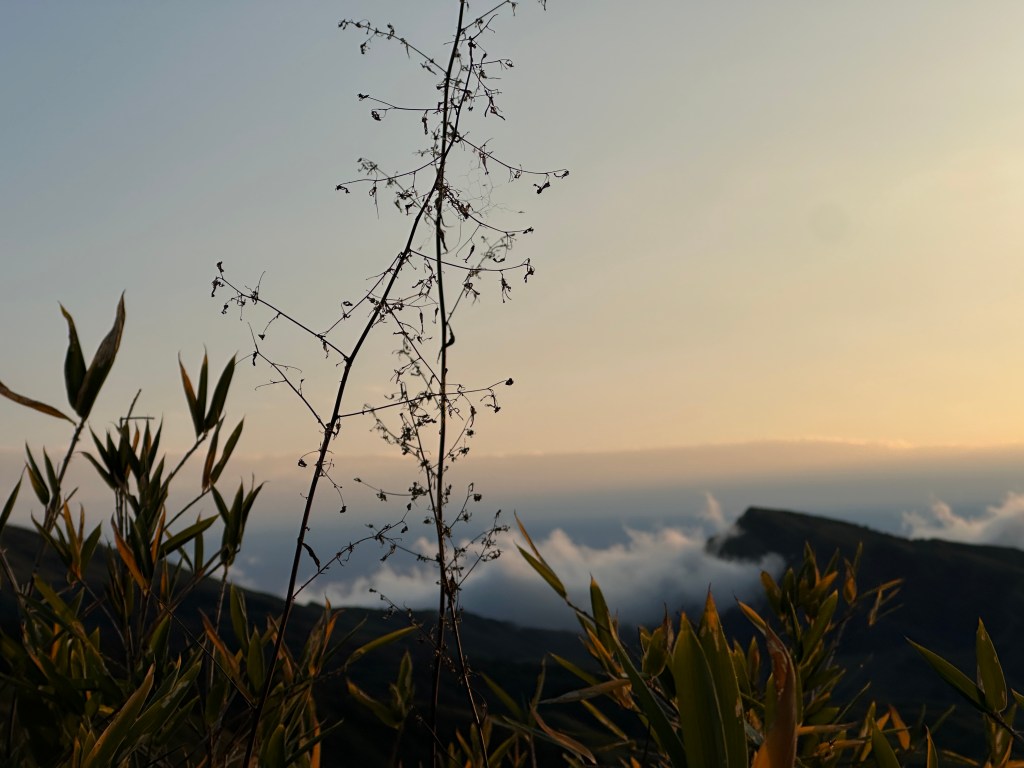
The Dzukou Valley trek is etched in my memory. We walked through whispering bamboo fields, climbed all day, and reached the summit just in time for a magical sunset. The evenings were wild and windy; the campsite was bustling—at times even chaotic—but the raw beauty of nature kept me grounded and filled with peace.
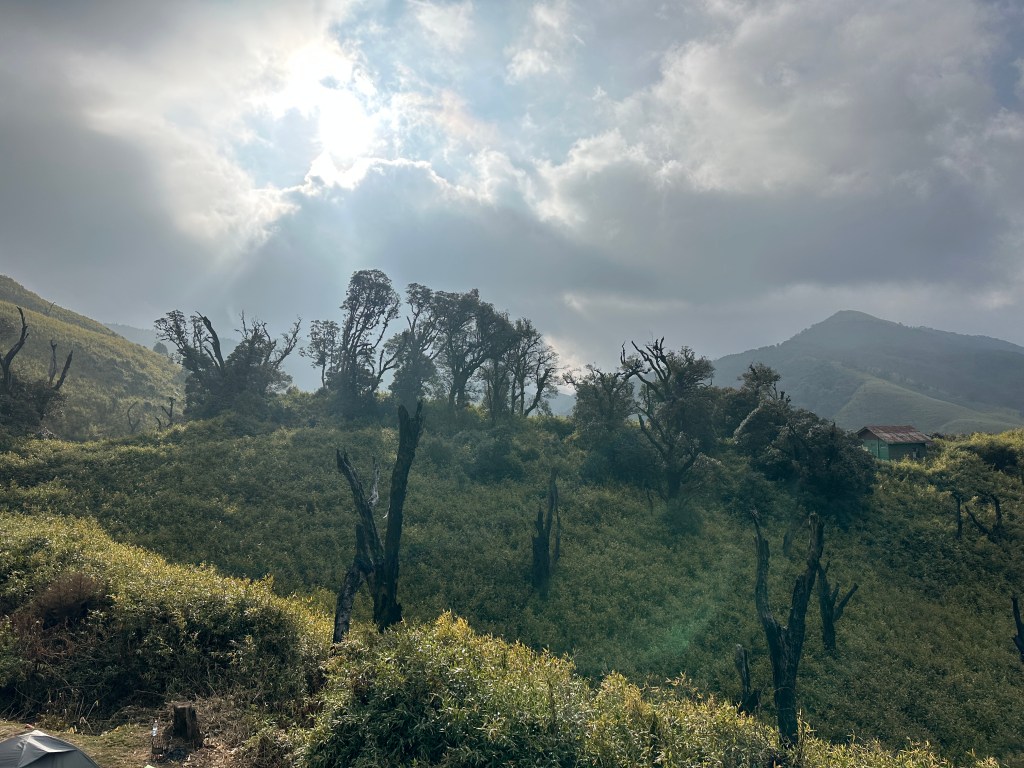
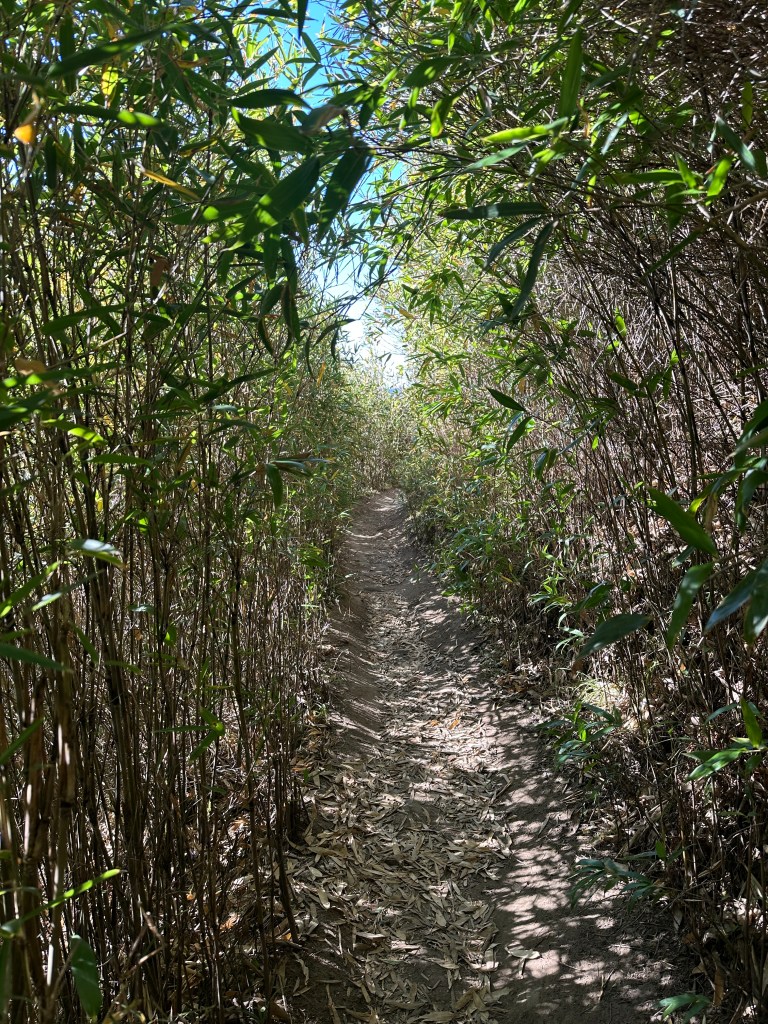
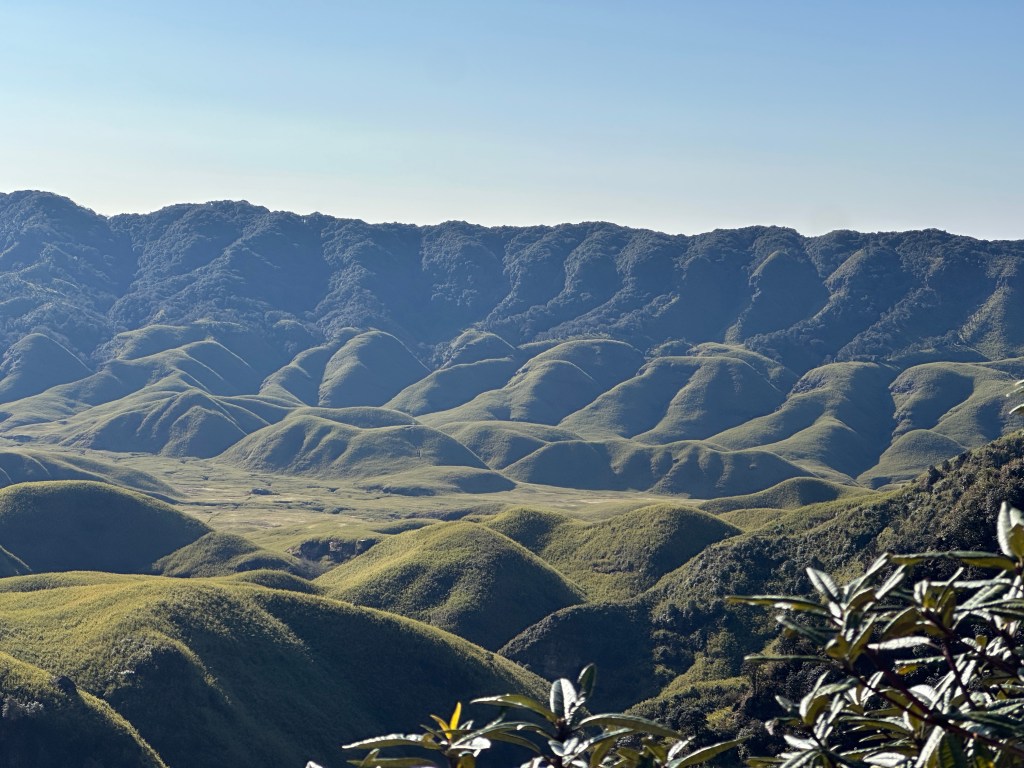
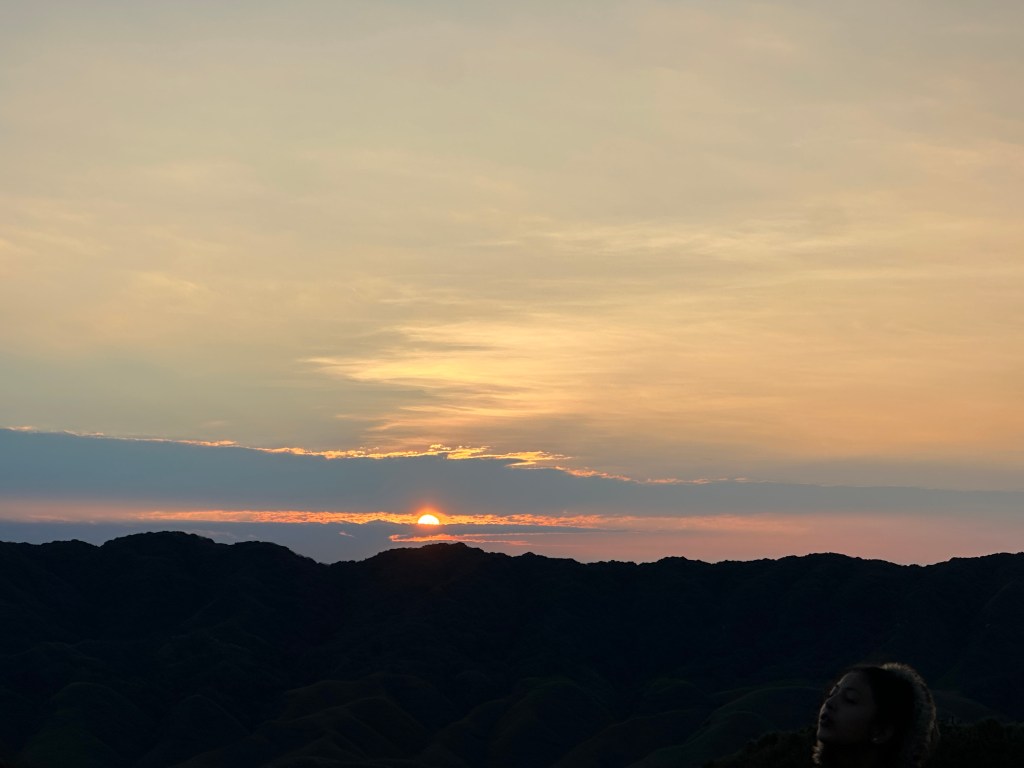
I met a group of spirited young boys in their early 20s who had cycled all the way from Bihar to Nagaland—on regular bicycles, with barely any money. Their stories of adventure and determination left me deeply inspired. Their dream was to cycle across all of India. They reaffirmed my belief that nothing is beyond our reach if we set our minds to it.
Strength of mind is almost divine and that human spirit is always keen on adventure and to explore the unknown.
During the festival, I was lucky to get my hands on a book titled The Hornbill Spirit, which gave me deeper insight into Naga history, the emergence of Naga nationalism, and the longstanding conflict between the Naga people and the Indian state since 1947. While this deserves a blog post of its own, one reflection from the book that stayed with me is worth sharing:
Every story carries within it multiple perspectives, each shaped by the voice that tells it. The question of Nagaland’s inclusion within India is one such story—complex, layered, and open to interpretation. One widely accepted narrative asserts that the Nagas have always been an independent people, only partially colonized by the British. They viewed themselves as existing on the margins of the British Empire, and by extension, outside the imagined geography of India. In contrast, the Indian state regards Nagaland as a colonial legacy, like other post-colonial states that emerged from the British Raj. From the British standpoint, the idea of the Nagas forming an independent nation was inconceivable—they lacked the population and resources typically associated with sustaining modern sovereignty.Encountering this perspective struck a deep chord in me.
It reaffirmed my belief that the lens through which we view the world shapes our understanding of it. To truly navigate life with clarity and depth, one must be willing to hold space for multiple viewpoints, to reflect, and to see beyond the dominant narrative—to grasp the full complexity of truth.
Another idea that resonated with me—and one that lies at the core of Naga cultural fabric—is the concept of the Morung. A Morung is a sacred communal space for learning, storytelling, and the initiation of children into adulthood. It is a space in every village where people come together to learn, share, and bond. It keeps the community connected and close.
Inspired by this idea, I’ve long dreamt of creating a community space that fosters connection, creativity, and knowledge-sharing. I envisioned it having four of my favorite elements— board games, knowledge-sharing sessions, an art and activity center, and a book club.
As I write this blog post, one of these aspects is already beginning to take shape—the book club. Interestingly, a fellow traveler from this trip, who is now a dear friend, and I have come together to bring this idea to life. How it evolves over time is something to wait and watch, but for now, we’re both quite excited to see it come into existence through our shared efforts.
Having shared so much, I think it’s time to pause. But before I do, I want to encourage each of you to visit Nagaland. It truly is a land of festivals—blessed with beautiful landscapes and some of the warmest, kindest people I’ve ever met. The Nagas have a beautiful way of celebrating life, embracing joy, and extending genuine hospitality to their guests, a lot to learn from them. I will carry the memories and lessons from this journey with me for a lifetime—and I know I’ll find my way back to this remarkable place again.
Credits
- My tribe: Like they say, it’s not about the destination, it’s about the journey and the people —and this tribe made it all the more fun, memorable, and full of laughter.
- Chalo Hoppo: Big thanks for putting together such an amazing trip! Shoutout to our awesome group leader, Vikho.
- Reading inspiration: The Hornbill Spirit: Nagas Living Their Nationalism by Abraham Lotha.
- ChatGPT: For helping create a couple of images inspired by photos from the trip.
 Urvi goes experimenting